Patience, planning and a little memory
Solitaire games look relaxed, but each one is a small planning problem. You decide which card to move, which column to empty and when to hold back. This category has five solo games, a memory challenge and one game you play against computer opponents.
The solitaire lineup
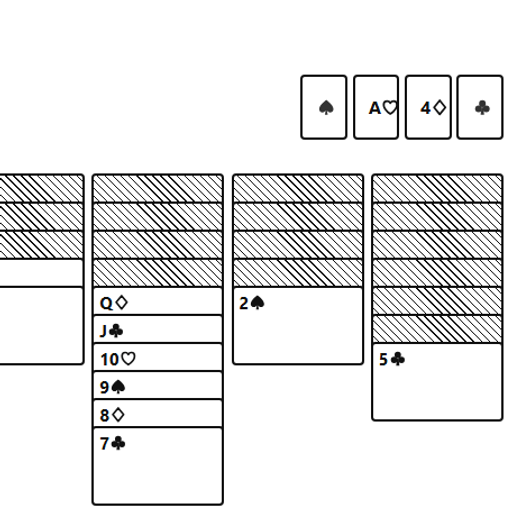
- Klondike Solitaire is the one most people know. Draw one card at a time and build each suit from Ace to King.
- Spider Solitaire uses two decks and lets you pick one, two or four suits, so the difficulty grows with you.
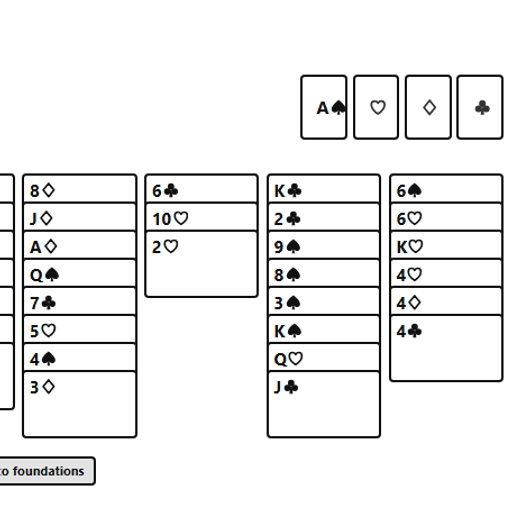
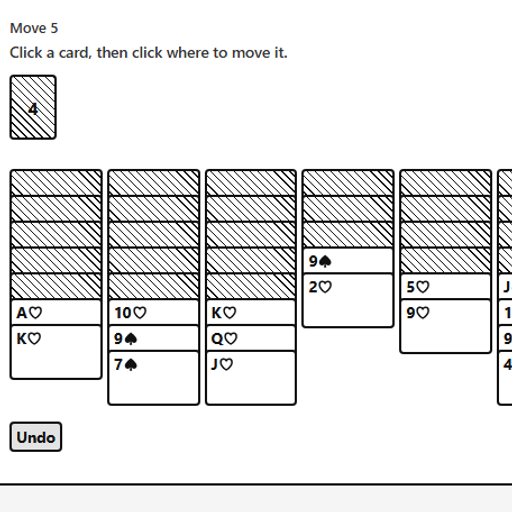
- FreeCell Solitaire shows every card from the start. Because nothing is hidden, it is closer to a logic puzzle than a game of chance.
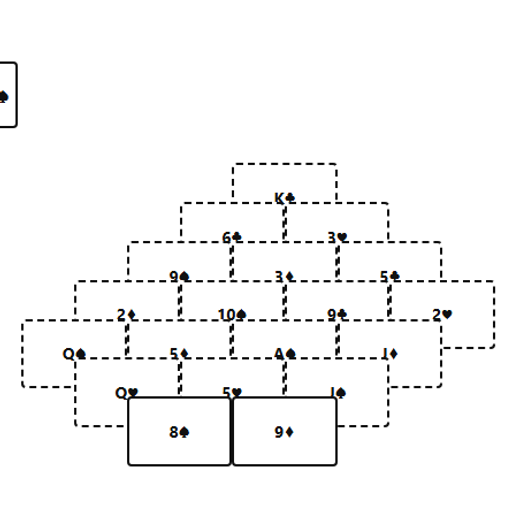
- Pyramid Solitaire is about pairs that sum to 13, which turns each move into a tiny addition problem.
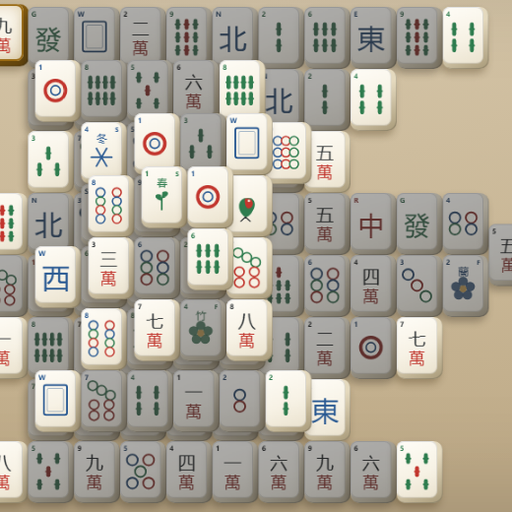
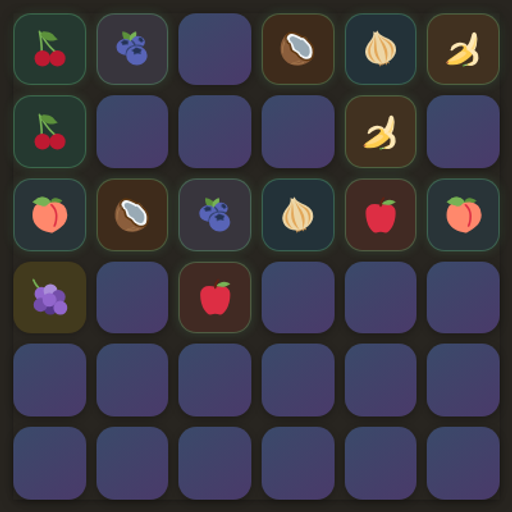
- Mahjong Solitaire uses tiles instead of cards. You match free pairs and try not to bury the tiles you will need later.
Something different
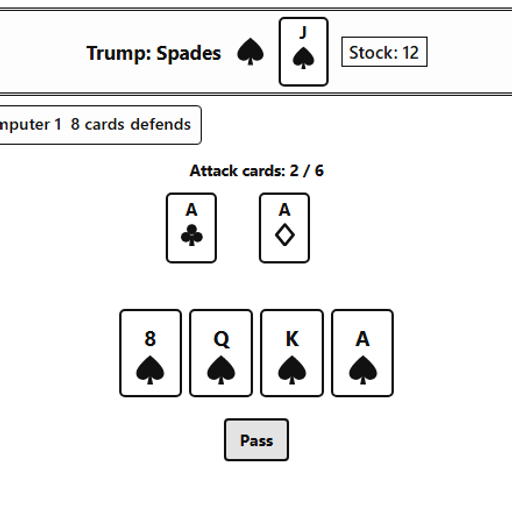
Memory Pairs trains working memory, since you have to remember where each picture was. Durak is a traditional Russian game of attack and defense, where the goal is not to be the last player holding cards. It teaches you to track which cards are gone, a skill that carries over to many card games.
What they build
Card games quietly train sequencing, keeping several options in your head, and judging risk when a hidden card might help or hurt. FreeCell rewards thinking several moves deep. Klondike and Spider teach you when to take a chance on a face-down card.
Where to start
If you are new to solitaire, begin with Klondike. When it feels easy, try FreeCell and aim to win without undo. Spider on one suit makes a gentle step up, and four suits is a serious challenge. Younger players often enjoy Memory Pairs and Pyramid best. These games suit anyone who wants a quiet ten minutes, and they work well on phones and tablets.